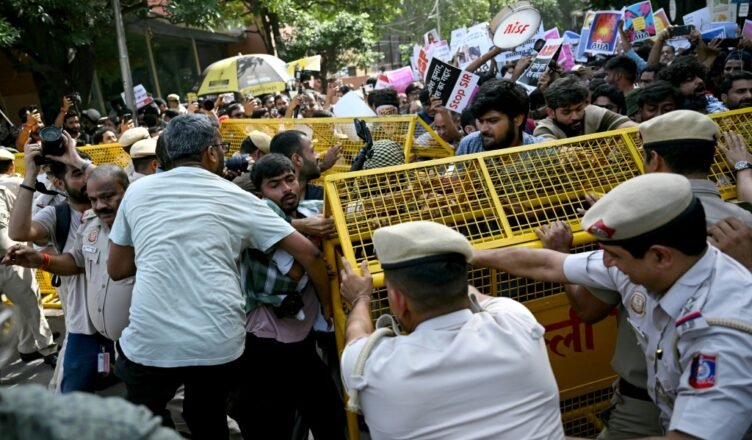
New Delhi has been at the centre of a political controversy following a planned Delhi protest over alleged irregularities in voter-list revisions. The developments have drawn attention to questions about electoral transparency, citizens’ voting rights, public demonstrations, and the responsibilities of democratic institutions.
According to reports published on October 10, 2026, a demonstration was planned at Jantar Mantar by members of the Cockroach Janta Party, also known as CJP. Protesters raised concerns about voter-list changes and called for greater accountability from election authorities. Security arrangements and restrictions affected parts of the capital as authorities prepared for the demonstration.
The issue has generated political debate and renewed public interest in how electoral rolls are maintained. Understanding the allegations, the official position, and the wider democratic context is important before drawing conclusions.
What Happened in Delhi?
Reports on October 10 described heightened security measures in New Delhi ahead of the planned demonstration. Police detained some protest organisers and participants, while restrictions and transport disruptions were reported in connection with the event.
The protest centred on allegations that revisions to voter lists had removed large numbers of eligible voters. Protesters argued that changes to electoral rolls should be transparent and that citizens must have a clear process for checking their registration and challenging errors.
The allegations remain contested. Election authorities and political representatives have disputed claims of deliberate wrongdoing, pointing to administrative reasons that can lead to names being removed or updated. These may include deaths, relocation, duplicate entries, and other changes to voter records.
The central question is whether electoral-roll revisions are being conducted accurately, transparently, and in accordance with the law.
Why Are Voter Lists Important?
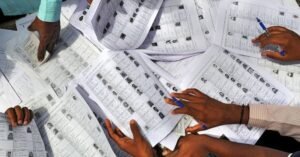
Electoral rolls determine who is registered to vote in an election. Their accuracy is essential because they help ensure that eligible citizens can exercise their democratic rights.
An inaccurate voter list can create problems in two different ways. First, eligible voters may discover that their names are missing when they attempt to vote. Second, outdated or duplicate records can undermine confidence in the electoral process.
For this reason, voter-list management requires careful verification, accessible correction procedures, and clear communication with the public.
Citizens should be able to check their registration status through official channels and understand how to submit a correction or objection. Election authorities must also ensure that legitimate removals are properly documented and that eligible voters are not unfairly excluded.
What Are the Main Concerns Raised by Protesters?
The protest highlights several issues that are important to public discussion.
1. Transparency in Electoral Administration
Citizens and political parties need confidence that electoral-roll revisions follow consistent rules. Clear explanations of how records are updated can reduce confusion and help prevent misinformation.
2. Protection of Eligible Voters
A person’s ability to vote should not be compromised by an administrative error. Accessible procedures for checking and correcting registration records are therefore essential.
3. Accountability of Institutions
When allegations are raised against a public institution, they should be assessed through evidence, established procedures, and appropriate oversight. Neither allegations nor denials should automatically replace an independent examination of the facts.
4. The Right to Peaceful Protest
Peaceful demonstrations are an important feature of democratic participation. Authorities also have responsibilities relating to public safety, traffic management, and the rights of other residents. Any restrictions should be assessed in the context of applicable law and the circumstances involved.
What Is the Official Position?
Election authorities and political representatives have disputed allegations of deliberate manipulation. Administrative revisions can occur for legitimate reasons, including changes in residence, deaths, and the correction of duplicate or inaccurate entries.
However, explaining the general reasons for updating a voter list does not, by itself, resolve every individual allegation. Specific claims require evidence, documented procedures, and appropriate review.
Readers should distinguish between confirmed events, statements made by political parties, and conclusions that have not been independently established.
How Can Citizens Protect Their Voting Rights?
Citizens can take several practical steps to avoid registration problems.
- Check voter-registration details through official Election Commission of India services.
- Verify personal information and polling-station details before an election.
- Use the official correction process if a name or other detail is incorrect.
- Keep relevant application references and acknowledgements.
- Consult official election announcements rather than relying on unverified social-media posts.
- Report suspected errors through the appropriate official channels.
These steps are useful regardless of political affiliation and help citizens participate more confidently in elections.
The Role of Responsible Journalism
Political controversies can spread rapidly online, particularly when claims involve voting rights and public institutions. News websites should verify information before publishing headlines that imply wrongdoing has been proven.
Responsible reporting should identify the source of each claim, provide the relevant response, distinguish allegations from established facts, and update stories when new evidence becomes available.
Journalists should also avoid presenting crowd estimates, detention figures, or claims about voter removals as confirmed unless reliable sources support them.
Conclusion
The Delhi protest and voter-list controversy have brought electoral transparency and democratic accountability into public discussion. The wider issue extends beyond a single demonstration: accurate voter registration, accessible correction procedures, institutional accountability, and informed public debate are essential to a credible electoral system.
As developments continue, citizens should follow verified reporting and official announcements. A careful, evidence-based approach will help readers understand what has happened, what remains disputed, and what further information is needed.